


Glute Exercises Gym Machines: Keep Grip with Liquid Chalk
The set usually doesn't end because the glutes quit first. It ends when palms get damp, the handle starts to roll, or a foot slips on a slick plate and the rep turns into a reset. That's the true frustration with glute exercises gym machines, especially on heavy hip thrust, leg press, or kickback work. The fix is often not better effort, it's better grip management. For lifters, climbers, gymnasts, and anyone training in a chalk-restricted space, a clean liquid layer can keep sweaty hands from becoming the limiting factor.
Table of Contents
- 1. Glute Exercise Form and Activation Cues
- 2. Glute-Focused Training Programs and Progressive Overload Strategies
- 3. Nutritional Supplements for Glute Growth and Recovery
- 4. Machine Equipment Selection, Specifications, and Comparisons
- 5. General Fitness Nutrition, Caloric Intake, and Macro Tracking for Body Composition
- 5-Point Comparison: Glute Form, Programs, Supplements, Machines & Nutrition
- Keep Your Grip Steady Through Every Machine Set
1. Glute Exercise Form and Activation Cues
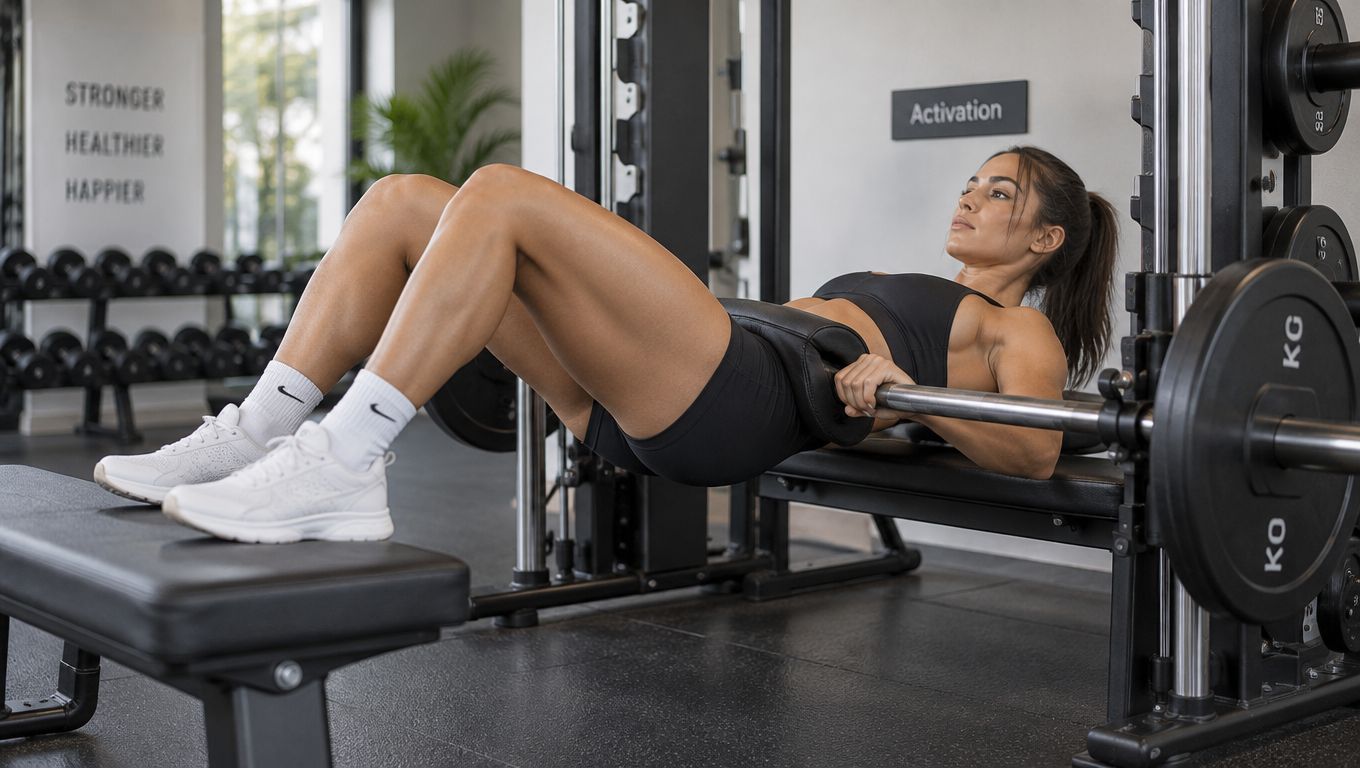
A lot of people blame the machine when the actual issue is that the hands and feet are sliding before the target muscles are done working. On a Smith machine hip thrust, that usually shows up as a shaky setup, a bar that feels harder to hold in place than to move, or sweaty palms forcing extra adjustments before the set even starts. In that moment, grip becomes the bottleneck, not glute effort.
The mechanical side matters too. A 2020 systematic review in the Journal of Sports Science and Medicine found very high gluteus maximus activation in several loaded movements, and it reported step-up variations with a mean of 125.09% MVIC, with an observed range of 104.19% to 169.22% (source). The same review also noted belt squats, split squats, lunges, deadlifts, and hip-thrust variations as high-activation choices, which is a reminder that the machine label doesn't decide everything.
Practical rule: if the hands are slipping on the machine handle, grip aid belongs in the setup before load goes up.
For that reason, EVMT LIQUID CHALK fits naturally into machine work because it targets the problem that fails first, sweat on the hands and contact points. A thin coat on dry skin helps keep the grip stable on handles, pads, and adjustment points without turning the station into a dusty mess.
What usually goes wrong on glute machines
- Handle control breaks first: sweaty palms make the set feel unstable even when the glutes still have work left.
- Footplate pressure shifts: a foot that keeps sliding on a slick footplate changes how hard it is to finish the rep cleanly.
- Setup gets repeated mid-set: every reset steals focus and makes the set feel heavier than it should.
The useful test is simple, if the set falls apart because the hands can't stay planted, the issue is grip management, not motivation.
2. Glute-Focused Training Programs and Progressive Overload Strategies
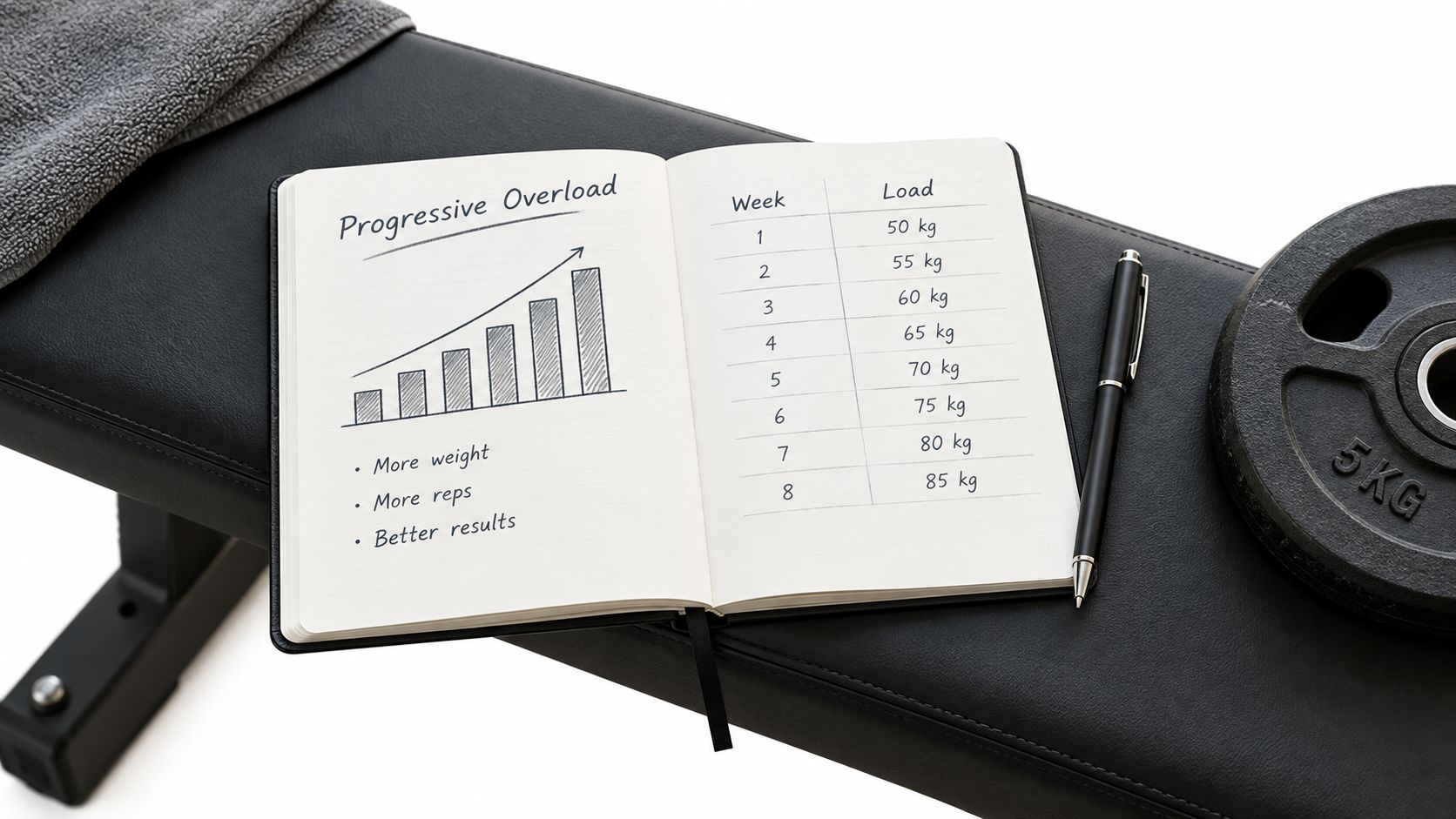
A glute program only works if the lifter can repeat the setup. On machines, that means the handle height, seat position, foot placement, and brace need to stay close enough that the load is the variable. If the hand slides or the foot shifts, the logbook starts lying before the muscles do.
A recent EMG-informed neuromusculoskeletal modeling study found that loaded single-leg hip thrusts, split squats, and single-leg Romanian deadlifts produced the highest peak gluteus maximus forces among eight hip-focused exercises, and that adding load equivalent to a 12-repetition maximum increased muscle forces, though the size of the effect varied by movement and muscle (source). That kind of progression only holds up if the same machine station still feels usable from one session to the next.
A lifter who hit 4 sets of 8 on the leg press last week may only manage 3 sets of 6 this week because the handles are slicker after a humid session, the glutes did not regress, the grip did.
Liquid chalk solves that part of the session directly. It gives the hands a dry base before contact with a machine handle, and it helps keep the same grip when powder chalk is banned or when a gym setup gets dusty fast. For lifters tracking session to session, see our guide to the best program for bodybuilding, which covers how to periodize glute-specific phases with reliable progression.
Practical rule: if grip fails before the rep target is done, the set is not a clean test of glute progress.
The best machine sessions stay repeatable. Same contact points, same range, same number of clean reps, then more load when that stops being hard.
3. Nutritional Supplements for Glute Growth and Recovery
A stalled glute session is often blamed on recovery, but the failure shows up earlier, at the handle. If your hands are damp and the grip slips on a machine, the set loses quality before the target muscles do. Supplements can help the body recover between sessions. They do not fix a missed rep caused by a bad hold.
A 2023 comparison in the available evidence found similar gluteus maximus growth from hip-thrust and squat training despite higher acute glute EMG during hip thrusts. That is a clean reminder that how hard a movement feels in the moment is not the same as how it builds over time. The same caution applies to grip. A slick handle can make a machine set feel limited even when the muscles are ready for more.
Liquid chalk solves that immediate contact problem. It gives the hands a dry base before the first rep, which helps on metal handles, pad edges, and footplates that get slippery after a humid session. In gyms that ban powder chalk, it is the practical option because it keeps the station usable without leaving dust everywhere.
Some sessions do not need more stimulation, they need better contact.
For readers comparing recovery habits and training aids, the practical answer is to keep categories separate. Supplements like the ones listed at best natural supplements for strength support long-term adaptation, while liquid chalk solves the immediate problem of contact on the machine. The guide on monohydrate vs kre-alkalyn sits in the same recovery lane.
Supplements cannot compensate for a missed set caused by a slipping handle, which is why grip management should be logged alongside protein timing and creatine dosage in the same training journal.
That separation keeps the issue visible. If the set ended because the grip failed, the answer is not another recovery stack. It is better hand contact on the next machine session.
4. Machine Equipment Selection, Specifications, and Comparisons
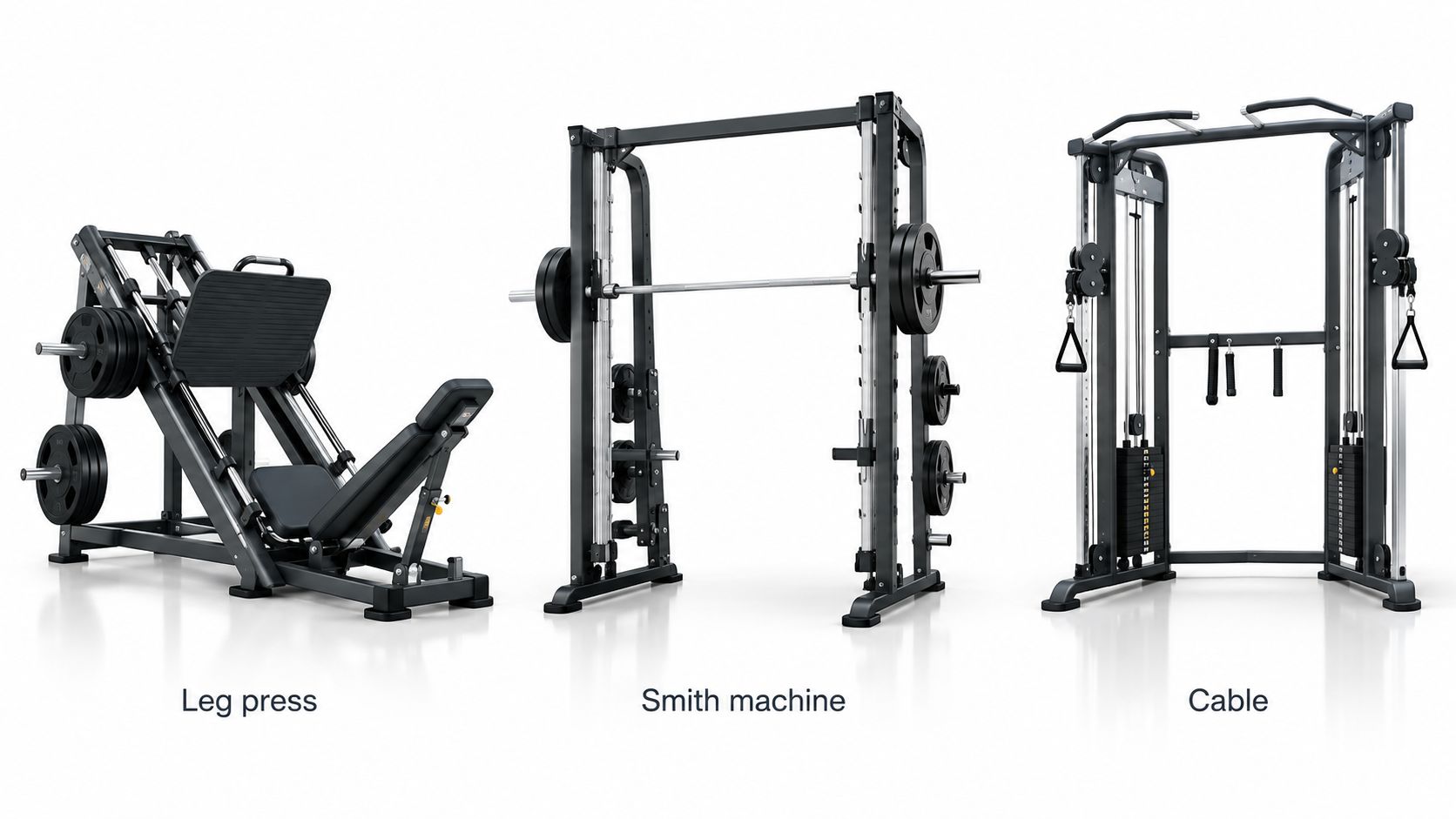
Machine selection matters, but the machine alone doesn't decide how well a session goes. A stable leg press can be useful when a lifter wants repeatable loading, while a cable station can be better when the hands need a consistent anchor and the body position has to stay controlled. The trade-off is obvious in the gym, the more guided the machine, the easier it is to standardize, but the more that sweat on a contact point can disrupt the set.
A historical review from the American College of Sports Medicine traces the Gymnasticon to 1796, the commercial fitness industry's early emergence to 1885, the Universal Gym to the 1950s and 1960s, the Nautilus Blue Monster to 1970, Keiser's pneumatic leg-extension machine to 1978, and Technogym's first hack-squat machine to 1983 (source). Those milestones matter because modern lower-body machines were built for guided movement, adjustable resistance, and repeatable loading.
That repeatability is exactly why liquid chalk helps. When the machine is designed to keep the movement stable, the hands shouldn't be the thing that breaks stability. A thin layer of chalk on dry skin keeps the grip consistent across handles, pads, and small adjustments, especially in gyms that don't allow powder.
The internal guide on essentials for a home gym fits here because home setups often lack the same ventilation or cleanup tolerance as commercial spaces. Dust-free grip aid is useful when the room doubles as a training area and a living area.
Where machine choice and grip collide
- Leg press stations: good for stable loading, but sweaty feet and hands can make setup feel sloppy.
- Smith machines: useful for repeatable bar paths, yet the bar and hand contact still need a secure dry grip.
- Cable stations: clean tension and simple adjustments, but handle rotation can expose sweaty palms fast.
The best machine is often the one that lets the lifter keep loading without fighting the station.
5. General Fitness Nutrition, Caloric Intake, and Macro Tracking for Body Composition
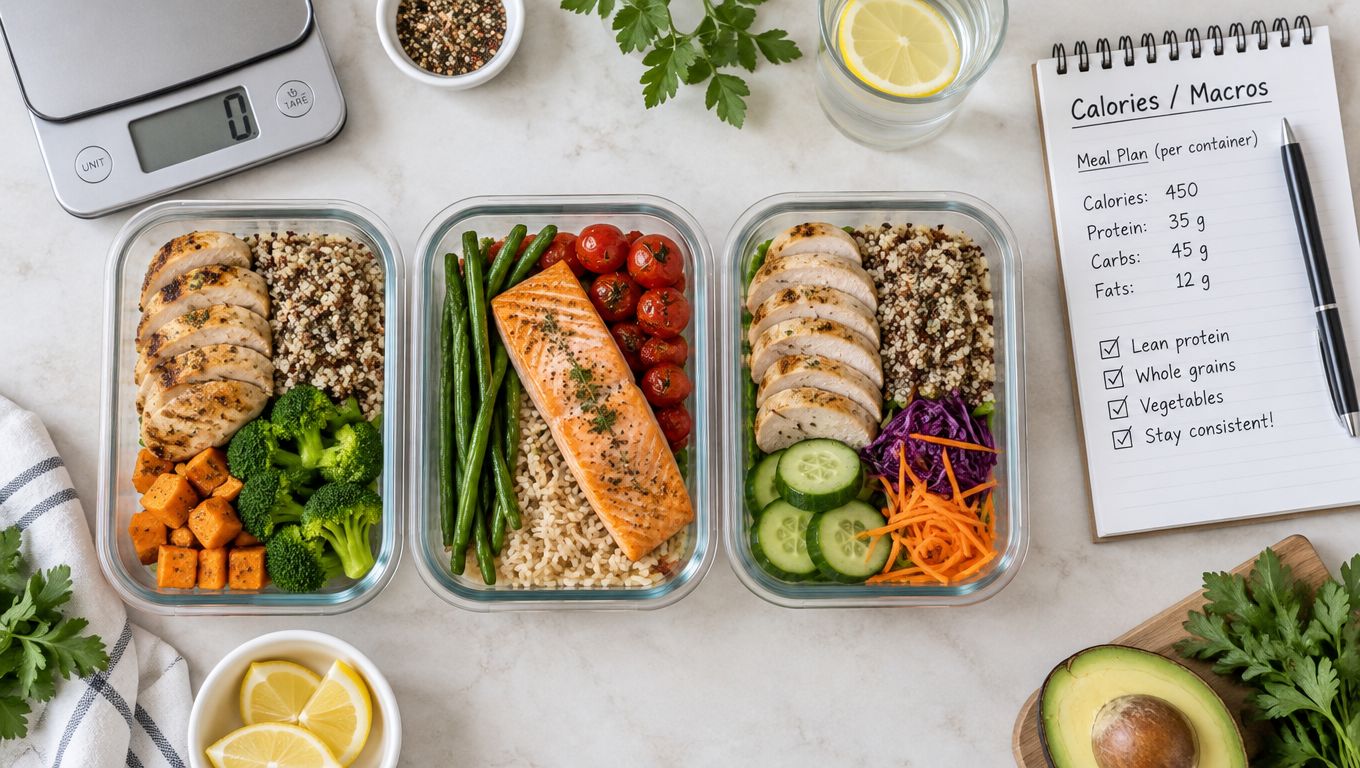
Body composition matters to how machine work feels, but it doesn't change the basic problem when hands get wet on a glute station. A lifter can eat perfectly and still lose the set because the grip slips on a handle or footplate. That's why grip aid should be treated as an immediate training tool, not a reward for getting nutrition right.
The point is not that nutrition is irrelevant. The point is that meal prep doesn't stop a sweaty palm from sliding off a handle. For that, liquid chalk is the cleaner answer, especially in commercial gyms where powder chalk gets on benches, machines, and clothes.
For people who travel between gyms or train in shared spaces, cleanliness matters as much as grip. A chalk layer that dries quickly and stays on the skin avoids the kind of residue that irritates other members and staff, which makes it easier to keep training without side comments about mess.
Practical rule: if a gym bans powder chalk, the best grip solution is usually the one that stays on the hands, not the room.
The linked piece on carbohydrates sits in the nutrition lane, but the machine session itself still comes down to execution and contact. That's why liquid chalk has a practical place even on days when the rest of the plan is already dialed in.
In a real gym, the cleanest approach is simple. Put on a thin coat before the session, let it dry fully, and use the machine without fighting your own sweat. That small step can make a glute session feel controlled instead of messy.
5-Point Comparison: Glute Form, Programs, Supplements, Machines & Nutrition
| Item | Implementation complexity | Resource requirements | Expected outcomes | Ideal use cases | Key advantages |
|---|---|---|---|---|---|
| Glute Exercise Form and Activation Cues | Low–Moderate (technique coaching, cueing) | Minimal, coach, mirror, body awareness | Improved glute recruitment, reduced compensations | Learning correct machine hip thrust, leg press, cable kickbacks | Better muscle engagement, safer movement |
| Glute-Focused Training Programs & Progressive Overload Strategies | Moderate–High (planning, periodization) | Time, tracking tools, progressive loading equipment | Systematic strength and hypertrophy over time | Long-term glute development and structured phases | Measurable progression, optimized adaptation |
| Nutritional Supplements for Glute Growth and Recovery | Low–Moderate (selection and timing) | Cost of supplements, monitoring intake | Enhanced recovery and potential support for hypertrophy (with training) | Athletes seeking recovery, convenient nutrient support | Targeted nutrient delivery, recovery aid |
| Machine Equipment Selection, Specifications, and Comparisons | Moderate (research, hands-on testing) | Financial cost, space, assembly/maintenance | Better equipment fit and training comfort | Gym owners, home-gym buyers, facility upgrades | Informed purchases, ergonomic and cost optimization |
| General Fitness Nutrition, Caloric Intake & Macro Tracking | Moderate–High (planning, adherence) | Food costs, tracking apps, meal prep time | Changes in body composition and training support | Fat-loss, muscle-gain, or performance-focused individuals | Clear framework for calorie/macronutrient control and consistency |
Keep Your Grip Steady Through Every Machine Set
When sweat, not muscle, ends the set, liquid chalk gives a steadier grip on machine handles. That matters on glute machines because the lift often feels limited by wet hands, slick contact points, or a gym rule that bans powder before the glutes are done working. The practical move is simple, check whether the gym allows powder chalk, and if it doesn't, test a thin coat on dry hands before the next heavy glute session.
Evermost LLC makes EVMT Liquid Chalk for exactly that kind of training day. It's a clean grip aid for lifters, climbers, gymnasts, and anyone dealing with sweaty hands on shared equipment, and it's built to fit in gyms where dust isn't welcome. Visit Evermost LLC and look at the liquid chalk options that match the way the next machine session feels.