


Olympic Weight Plates Grip Guide
Your deadlift setup is solid, the bar is loaded with Olympic weight plates, and your legs and back are ready. Then the bar starts to roll because sweaty hands can't maintain friction. The lift may fail before the posterior chain reaches its limit, leaving grip as the main bottleneck.
That problem gets worse during high-volume pulling, repeated cleans, barbell holds, and mixed training sessions. The right plate standard matters, but the connection between the athlete's hands and the bar matters just as much. Liquid chalk gives that connection a consistent, low-mess foundation, especially when powder chalk is restricted or uncomfortable to use.
Table of Contents
- The Hidden Bottleneck in Heavy Plate Training
- Understanding Barbell and Plate Dimensions
- Why Traditional Powder Chalk Falls Short
- Building a Sweat-Resistant Base Layer
- Navigating Gym Rules and Equipment Care
- Securing Your Grip for the Next PR
The Hidden Bottleneck in Heavy Plate Training
A heavy deadlift that stalls near lockout doesn't always indicate weak hips or insufficient back strength. Sometimes the hips are still driving, the bar is close to the body, and the hands just start opening. Once the fingers lose their closing pressure, the bar rolls, the shoulders drift, and the lift becomes unsafe or impossible to finish.
The same pattern appears in less dramatic ways. A lifter may shorten a set because the bar feels unstable, re-chalk repeatedly between attempts, or avoid adding volume because grip fatigue arrives before the target muscles are challenged. In Olympic lifting, a loose connection can disrupt the pull long before the athlete has a chance to express speed and control.
Why sweat changes the lift
Grip depends on contact, pressure, and friction. Sweat creates a thin layer between the skin and the knurling, while repeated repetitions can spread that moisture across more of the hand. The bar doesn't need to feel visibly wet for the athlete to notice a decline in security.
This is why grip endurance isn't just a hand-strength issue. A strong hand still loses mechanical advantage when moisture reduces the friction available at the contact point. High-repetition training magnifies that problem because the athlete has fewer opportunities to reset the hands.
Practical rule: If grip fails before the target movement does, address moisture and surface consistency before changing the entire training plan.
Powder chalk can help, but it isn't always practical. Loose particles can create a mess, spread across equipment, and conflict with gym rules. A liquid formula offers a more controlled way to prepare the hands before approaching the bar.
EVMT Liquid Chalk uses magnesium carbonate in a fast-drying liquid format for weightlifting, gymnastics, rock climbing, and other grip-intensive activities. Applied correctly, it creates a dry base layer that helps the hand maintain contact with the bar instead of allowing sweat to become the deciding factor.
Understanding Barbell and Plate Dimensions
A failed grip can make accurate equipment standards irrelevant. Before loading an Olympic bar, confirm how the bar, plates, and lifting surface will affect the start position and the hand's ability to stay connected throughout the set.
Olympic equipment follows the International Weightlifting Federation competition system. Full-size plates use a 50 mm center bore and a 450 mm outer diameter. The standard competition set includes 25 kg, 20 kg, 15 kg, 10 kg, 5 kg, 2.5 kg, 1.25 kg, and 0.5 kg plates. Keeping the largest plates at a consistent diameter preserves a predictable bar height as the load changes, which supports repeatable setup and pulling positions.
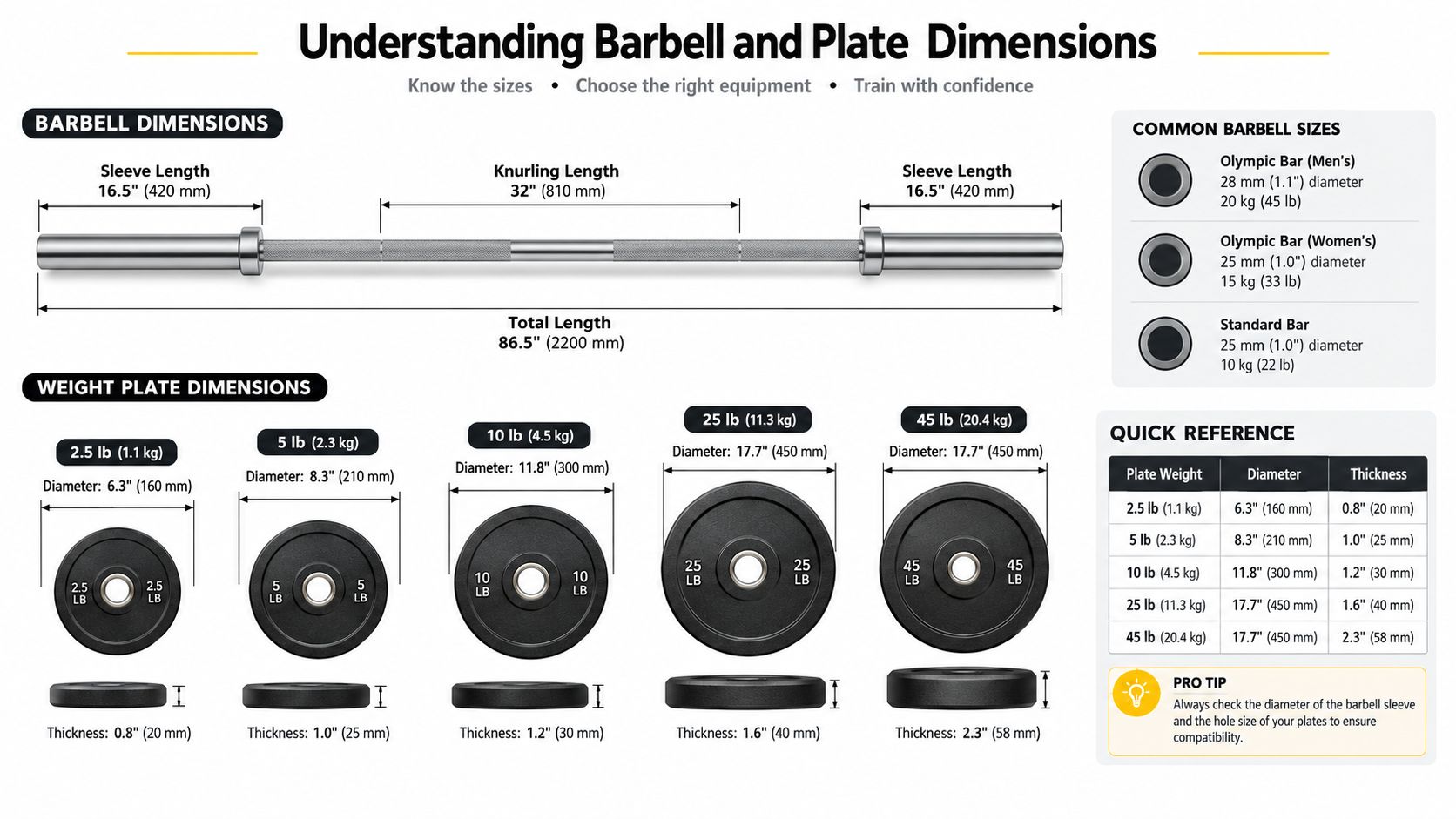
The center bore controls whether a plate fits the barbell sleeve. Olympic plates have a nominal 50 mm hole, while standard plates use a 25 mm hole. They are not interchangeable without the appropriate bar. Competition-grade Olympic plates also keep a 450 mm diameter for 25 kg discs, maintaining the same bar height for technical work and heavier attempts.
Geometry affects the hand indirectly
The hands never hold the plate, yet plate geometry changes the loading conditions around the bar. Full-diameter plates place the bar at a predictable height. Bumper plates suit controlled drops, while dense iron plates use less sleeve and storage space when dropping the bar is not part of the session. The guide to bumper plate construction and use explains that distinction.
Bar knurling provides the textured contact surface. Plate diameter and construction influence the bar's position, but moisture determines whether the fingers can use that texture effectively. A thin, even dry layer across the contact areas supports a more reliable connection than a heavy, uneven coating.
For readers assessing home-exercise equipment and fit, browse 2026 BionicGym fit gear. The practical point is straightforward: specifications only help when the athlete can keep the hands securely connected to the bar.
Why Traditional Powder Chalk Falls Short
A heavy pull can fail at the hands before the legs, back, or hips reach their limit. Powder chalk helps manage moisture, but loose application creates its own problems in busy gyms, shared spaces, and high-volume sessions.
A block or chalk ball can apply magnesium carbonate, yet coverage often varies. The palm may look coated while finger creases and the main bar-contact areas receive less material. Repeated pulls expose those gaps first as sweat and friction strip away the weakest coverage.
Dust creates an environmental cost
Loose powder becomes airborne when athletes apply it, clap their hands, move around, or contact the bar. Dust settles on bars, plates, flooring, clothing, and nearby surfaces. In a home gym, it can reach difficult-to-clean areas. In a commercial facility, it can create friction with staff and training partners.
Powder also encourages frequent reapplication. When the grip feels less secure, the lifter may add more, but excess material can form clumps instead of improving friction. A thicker coating does not automatically produce a stronger connection to the bar.
Liquid chalk changes how the coating reaches the hand. It suspends magnesium carbonate in alcohol, spreads across the skin, and leaves a thin, dry layer after the alcohol evaporates. That controlled application can provide a more consistent foundation than loose powder. EVMT's article on liquid chalk for weightlifting explains how lifters can use it to support grip during demanding work.
Choosing the cleaner format
The practical comparison is straightforward:
| Priority | Powder chalk | Liquid chalk |
|---|---|---|
| Moisture control | Useful, but coverage can vary | Applies as a more even base layer |
| Airborne dust | Can spread during use | Produces minimal airborne dust |
| Reapplication | Often needed as the session continues | Can reduce how often the athlete re-chalks |
| Venue compatibility | May conflict with dust restrictions | Often more acceptable where loose chalk is limited |
| Home-gym cleanup | Can settle across the room | Easier to contain once dry |
For Olympic weight plate training, liquid chalk is most useful before heavy pulls and high-repetition work, when grip failure can become the limiting factor. It establishes a controlled starting layer without turning every set into a cleanup task. Powder still has a place for quick touch-ups, but liquid chalk generally gives better control over where the material goes and how evenly it covers the contact areas.
Building a Sweat-Resistant Base Layer
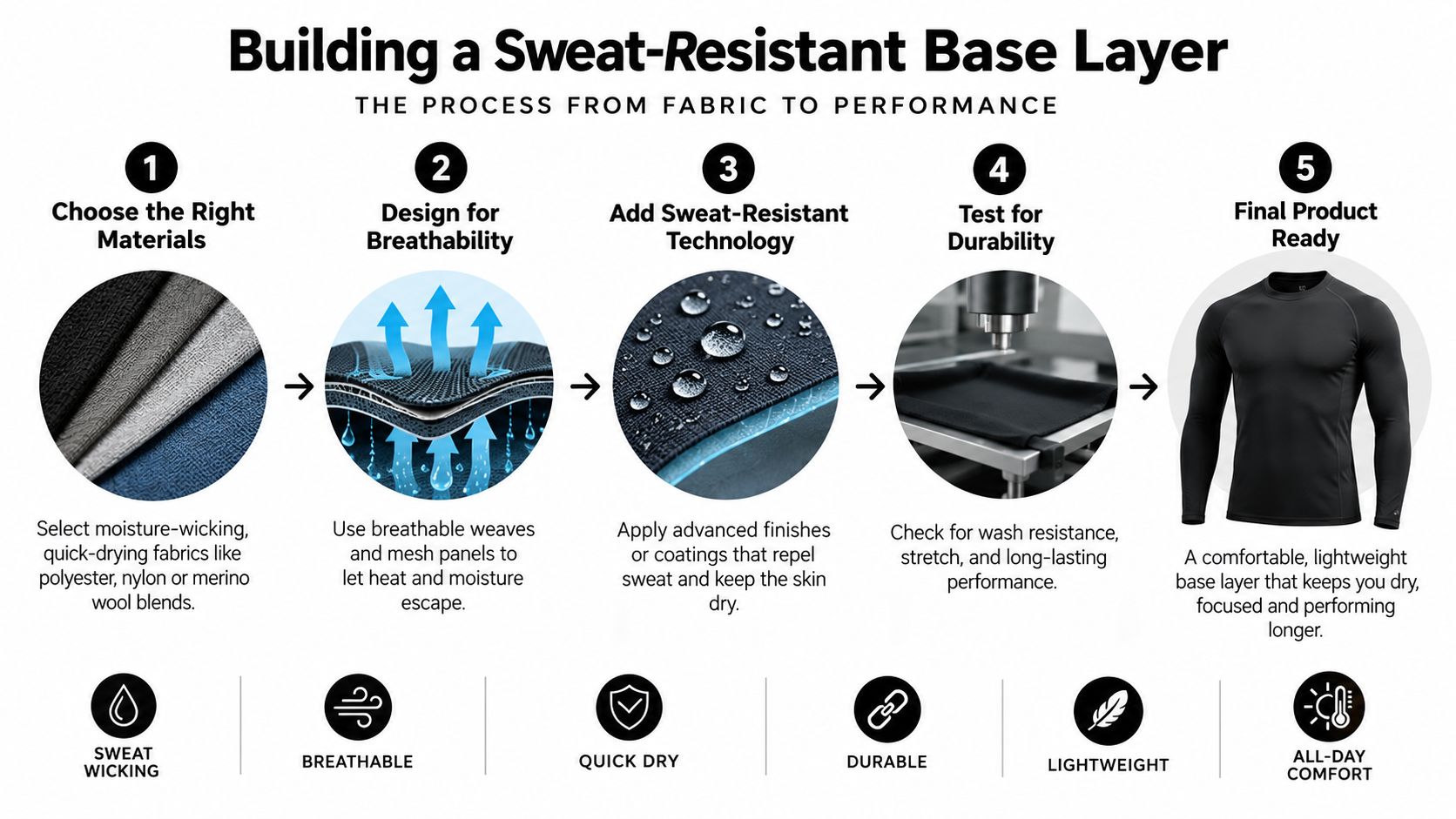
A heavy pull can fail because sweat reaches the hands before the set is finished. Build the grip layer before the first demanding effort, while the skin is dry. Liquid chalk spreads magnesium carbonate across the palms and fingers, then dries as the alcohol evaporates. That process gives the hand a controlled contact surface for Olympic weight plate training.
A repeatable application sequence
- Start with dry hands. Wash away visible oil and dry the skin thoroughly. Damp hands make it harder to create an even coating.
- Apply a thin amount. Cover the palms, fingers, and contact areas used on the bar. Excess chalk can muddy the contact point and reduce friction, so a thin even layer is more effective than thick buildup. Gripstone's guidance on liquid versus normal chalk discusses this distinction.
- Spread it evenly. Rub the hands together until the liquid reaches the creases and finger surfaces. Uneven coverage leaves inconsistent friction, especially during repeated pulling.
- Let it dry fully. Wait until the alcohol has evaporated and the skin feels dry rather than tacky. The finished layer should feel smooth and prepared, not wet or heavily coated.
- Grip the bar and reassess between efforts. If the hands stay dry and secure, leave the base layer alone. If sweat eventually breaks through, add a small amount rather than covering the hands with another heavy deposit.
Thin and even beats thick and muddy.
Adjusting the routine for different sessions
A short strength session may need one application before the first demanding set. High-volume pulling, mixed barbell work, and warm rooms can wear through the coating sooner. Check the hands between efforts and reapply only when moisture or slipping becomes noticeable.
Liquid chalk can also provide a foundation for climbers who use loose chalk. Apply it to dry hands, allow it to dry completely, then add powder as needed. This layered approach can help the coating last through more moves before re-chalking, which suits long sport routes, multi-pitch climbing, and humid indoor walls. Short boulder problems usually need less preparation because the effort is brief and reapplication is easy.
Navigating Gym Rules and Equipment Care
A grip aid must fit the facility as well as the athlete's hands. Many gyms restrict loose chalk because airborne particles spread through the training area and settle on shared surfaces. Liquid chalk creates little airborne dust while still improving grip, and it is accepted in most indoor walls because it produces minimal airborne particles.
Rules still vary by venue. Check the policy before training, especially in commercial gyms, competition warm-up areas, and studios with polished floors or specialized equipment. A product that works well for heavy plate training may still be unsuitable if the facility prohibits residue or airborne particles.
Cleaner contact with shared equipment
Powder residue can collect around knurling, sleeves, collars, and plate surfaces. It transfers to clothing, benches, and other contact points as well. Liquid chalk contains the application more effectively, and a properly dried layer leaves minimal residue on equipment or apparel.
Use restraint. Applying more product to create a visible coating does not improve a slipping grip once the hands are overloaded with chalk. A thin, controlled layer supports friction while reducing deposits on the bar.
Clean equipment remains part of the routine. This barbell cleaning guide offers practical maintenance habits for athletes and gym staff. A clean bar provides more predictable contact, while dirt and accumulated residue can interfere with a prepared grip.
Being a better training partner
Shared spaces require grip management that respects the next user. Apply liquid chalk discreetly, let it dry before approaching the bar, and avoid shaking loose particles into the air. This keeps the area more comfortable for other athletes and makes dust control easier in home gyms.
The same standard applies to climbers, gymnasts, cheer athletes, and pole fitness athletes. Each setting requires a balance between reliable friction and clean equipment. Liquid chalk addresses sweat with less airborne mess, helping athletes protect their grip without shifting unnecessary cleanup onto training partners or facility staff.
Securing Your Grip for the Next PR
Olympic weight plates provide standardized geometry, but they can't compensate for a hand that loses contact with the bar. The most effective grip adjustment is often simple: prepare the skin before the hard work begins, use enough chalk to control moisture, and avoid the thick buildup that creates its own friction problems.
Liquid chalk fits that role because it dries quickly, creates a consistent foundation, and limits airborne mess. It can support heavy pulls, high-repetition barbell sessions, climbing, gymnastics, cheer, pole work, and home training where powder isn't practical.
The best choice still depends on the session and the venue. A lifter may use liquid chalk alone, while a climber may use it as a primer beneath powder chalk. Someone training in a gym that restricts loose chalk needs a contained option, and an athlete with sweaty hands needs a routine that starts before moisture takes over.
Grip shouldn't dictate the end of a productive session when the underlying issue is manageable. Apply a thin layer to dry hands, let it dry fully, and test the connection before the heaviest work. That small change can make the bar feel more predictable and keep attention on the lift rather than on slipping fingers.
Evermost LLC offers EVMT Liquid Chalk for athletes who need clean, reliable grip support across lifting, climbing, gymnastics, and other grip-intensive training. Visit Evermost LLC to choose a liquid chalk option that fits the athlete's session and venue rules.